
Introduction: A Clear Line in the Night
Construction layout is overdue for a glow-up. Tonight, your crew lines a roof deck while a sky laser cuts through haze and noise, making the plan visible in seconds. Last week, tape and chalk took an hour, and half of it got smudged by traffic—been there. Studies put layout-related rework in the mid-teens percent on complex jobs, and it hits margins hard. So here’s the question: if light can map what tape measures can’t, why are we still guessing under floodlights? (It’s California; we like solutions that just work.) The goal is simple: draw exact, bright paths that crews trust, from daylight to dusk, with fewer do-overs. Let’s compare what helps and what hurts, and then see where the tech is heading. Next up: why the old ways stumble, and how modern beams fix the mess.
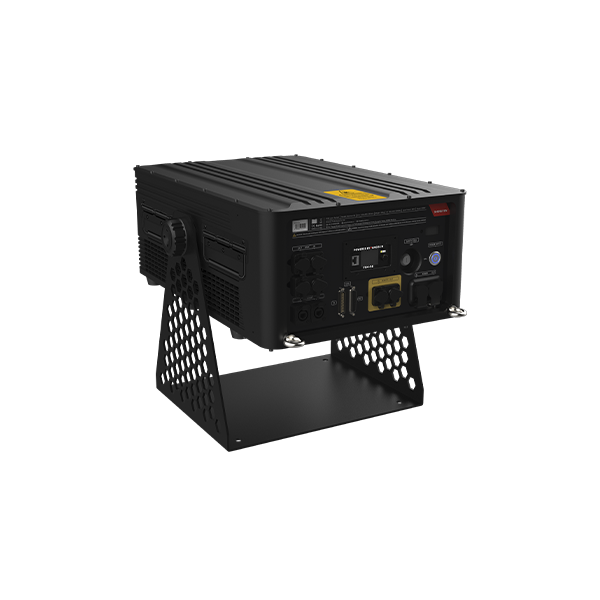
Where Traditional Gear Falls Short—and How “Laser for Building” Fills the Gap
Why do old tools miss the mark?
On paper, chalk lines and handheld pointers look fine. In practice, they drift, fade, and slow teams. A mapped line sags across 40 feet, wind lifts dust, and a second crew moves a reference—funny how that works, right? By contrast, a purpose-built laser for building projects stable guides that resist glare and hold true over distance. The core issues are technical and boring—but important. Beam divergence makes cheap diodes blur past 20–30 meters. Low-grade optics lose intensity at angles. Weak power converters cause flicker under load. And housings without IP65 sealing choke on slurry and mist. Layout should not depend on luck.
Modern site lasers fix this with tighter optics, fast galvo scanners for crisp edges, and smart alignment routines that lock to known points. You get repeatable lines that don’t crawl when the tripod gets nudged. Edge computing nodes on the unit can sync with BIM views, so updates show up as fresh lines, not whispered instructions. Look, it’s simpler than you think: reduce variables, keep output stable, and crews move. The result is less back-and-forth and fewer layout disputes. That’s the deeper pain point—time spent verifying, not building.
Comparative Futures: Principles That Push Beams Further
What’s Next
Here’s the forward look, side by side. Old layouts rely on manual checks; new systems rely on control loops. Next-gen sky laser units use closed-loop galvo scanners that sample position thousands of times per second. They compensate for vibration, wind sway, and thermal drift. Narrower beam divergence keeps lines sharp at long throw, so your datum stays clean across the slab. And with onboard compute, a unit can reconcile plan changes mid-shift—no waiting for a tablet handoff. When a sky laser factory integrates sealed optics, stable power rails, and decent heat sinking, the beam stays consistent even after hours of duty. Different foundations, different outcomes—and fewer do-overs.
Pulling it together: traditional methods fail quietly, then all at once. They ask humans to correct what physics breaks. The newer principle flips that. Build precision into the source. Let sensors and servos carry the weight. Then give crews lines they can trust. That trust is the real productivity gain—less chatter, more progress.
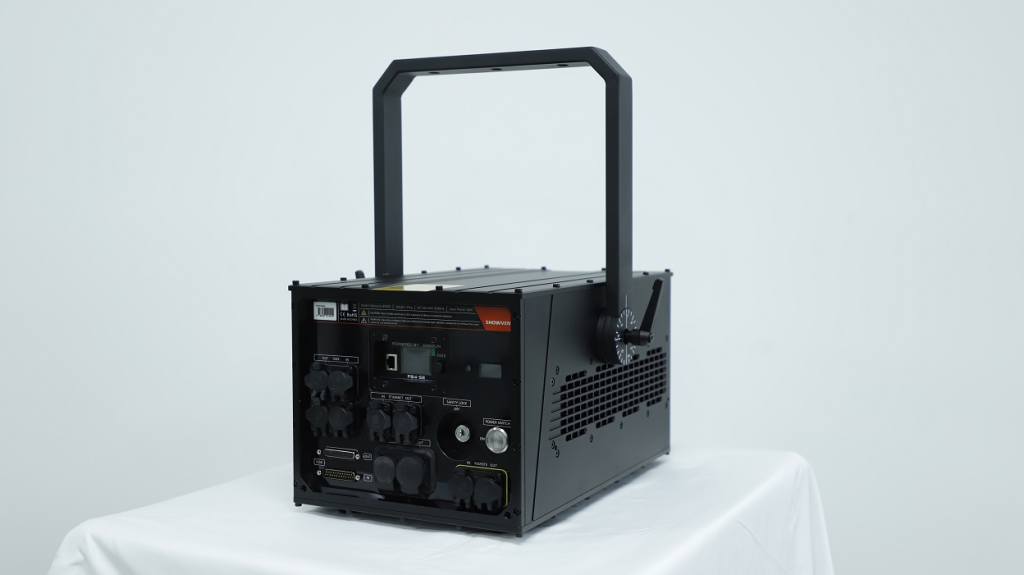
If you’re choosing a system, use three simple metrics. Advisory close out, West Coast plain-speak. One: beam quality at distance—check intensity and line thickness at your longest common throw. Two: stability under real load—watch for flicker, thermal drift, and galvo recovery after vibration hits. Three: integration sanity—BIM sync, edge computing nodes, and power converters that keep voltage clean under weather and dust. Small tests, big clarity—funny how the right check saves weeks. For deeper specs and field-ready builds, see Showven Laser.
