
Introduction: Defining the Invisible Interface
Let’s define the thing we keep overlooking: the name label as a live interface, not a sticker. A digital name plate is a small endpoint that renders roles, statuses, and location data on demand. In a lab, a hospital, or a meeting suite, it anchors who, what, and when—no guesswork. In many teams, 10–20% of prep time drifts into chasing room bookings, correcting titles, or reprinting roles; that is not trivial. Pair the plate with a scheduling system, and you remove that drift at the edge. An endpoint here can be as simple as an electrophoretic display driven by low-power radios and tiny power converters. You bind it to a source of record, and you keep it in sync through OTA firmware and clean data rules. Then you ask a blunt question: if the label already knows the truth, why are people still correcting it with pens?

This is our baseline. From here, we compare what breaks in traditional setups and what remains stable when the plate is a device. Next, we look at the friction you feel but rarely name.
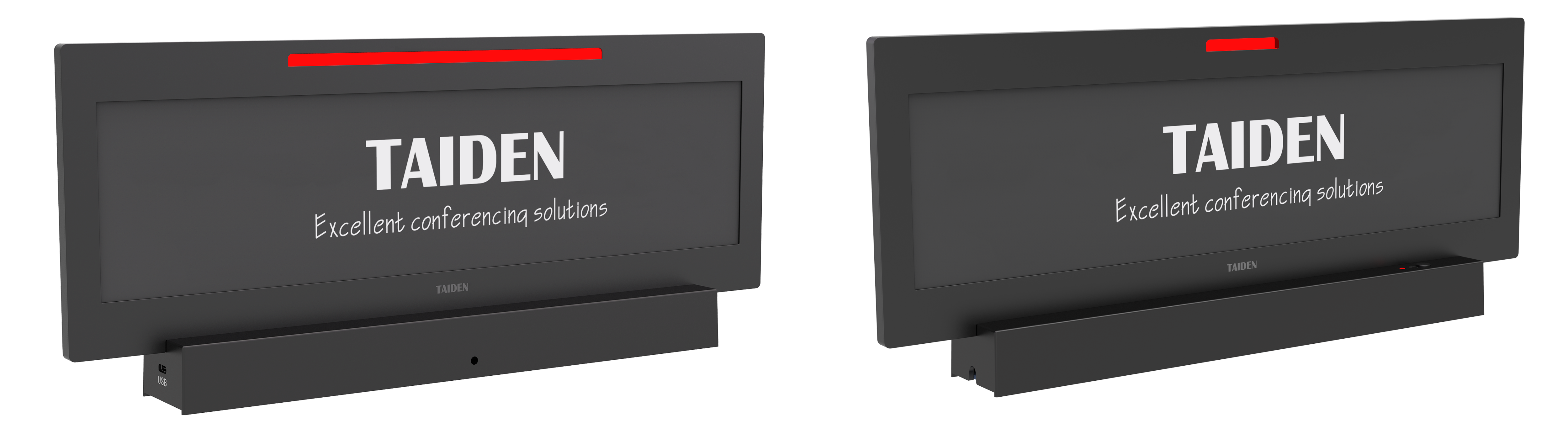
Hidden Friction the Old Labels Never Showed
What are we missing day to day?
Here is the direct view. Paper cards fail quietly. Titles lag. Shifts shuffle. Rooms flip without notice. With electronic nameplates, the errors surface and get fixed at the source, not with tape. The pain points hide in handoffs: HR changes a role, IT updates a permission, Facilities swaps a room sign. Three systems, one label. Without mesh networking or reliable BLE beacons, updates do not land where people work. Look, it’s simpler than you think: push a single payload, render it once, and stop the reprint cycle—funny how that works, right?
Another unseen cost is context. A surgeon, a guest engineer, or a shift lead needs live metadata. Access level. On-call status. Pronunciation hints. Paper cannot hold state. Devices can, with NFC provisioning for quick pairing, edge computing nodes for local rules, and encrypted sync for privacy. The last gap is energy: batteries die, so teams hoard spares. Smart plates use ultra-low-power electrophoresis and short radio bursts, not chatty polling. One update per event. Weeks or months per charge. Less clutter, fewer mistakes, and no midnight runs to the label drawer.
Comparative Insight: How the New Stack Actually Works
What’s Next
Think in layers, technically. The display layer uses a paper like display to stay readable without backlight. The network layer can ride on secure Wi‑Fi, a BLE mesh, or PoE switches where wiring exists. The control layer sits in your scheduling or identity system and pushes small diffs, not full screens. Each layer removes a failure mode. No glare. No manual swaps. No stale data. You connect plates to gateways that act as edge computing nodes, so local rules run even if WAN drops—yes, even at scale. In comparative terms, the old stack is human-driven, bursty, and wasteful; the new stack is event-driven, resilient, and measured.
To pick well, stay advisory and precise. Use three evaluation metrics: 1) Update latency under load (target seconds, not minutes); 2) Power budget per device (milliwatts at idle, with verifiable cycles per charge); 3) Interoperability scope (native hooks for identity, room booking, and device management). If your candidate supports OTA firmware, secure provisioning, and clean APIs, you will not paint yourself into a corner. Also check the rendering pipeline on the paper like display, the radio stack (BLE, 802.11, or both), and how it handles naming standards. Small note—requirements drift—so choose a platform that logs changes and rolls back gracefully. This is how devices turn labels into a trusted interface, not another thing to manage. For teams that value clarity and uptime, that trust is the real output, not the plastic frame. You can explore more implementations at TAIDEN.
